Construction Site Toilets
Rugged, jobsite-ready portable restrooms in Camden, AR.
- ✓ Flexible Delivery Scheduling
- ✓ Heavy-Duty Build
- ✓ Weekly Servicing
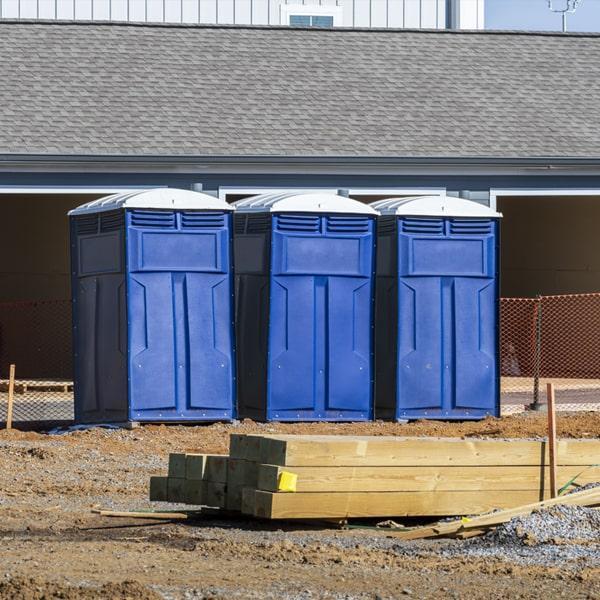
Rugged, jobsite-ready portable restrooms in Camden, AR.
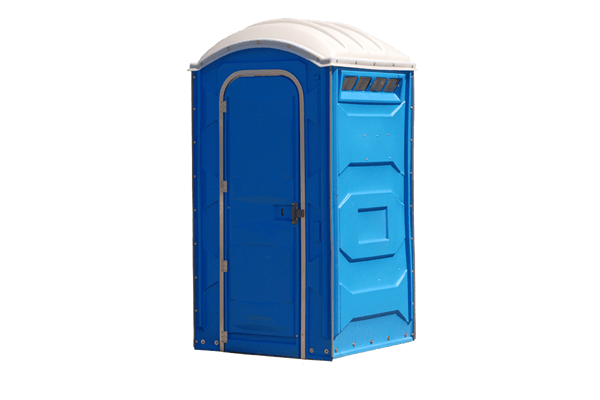
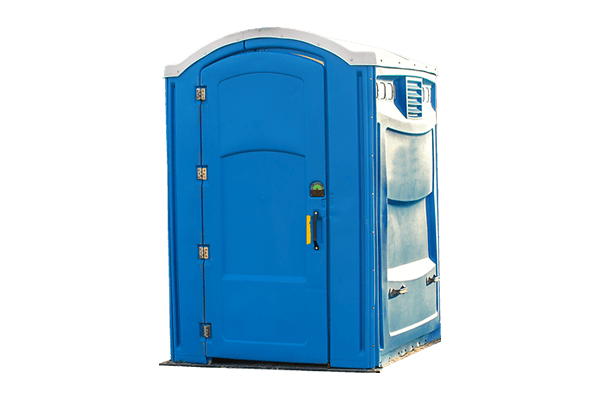
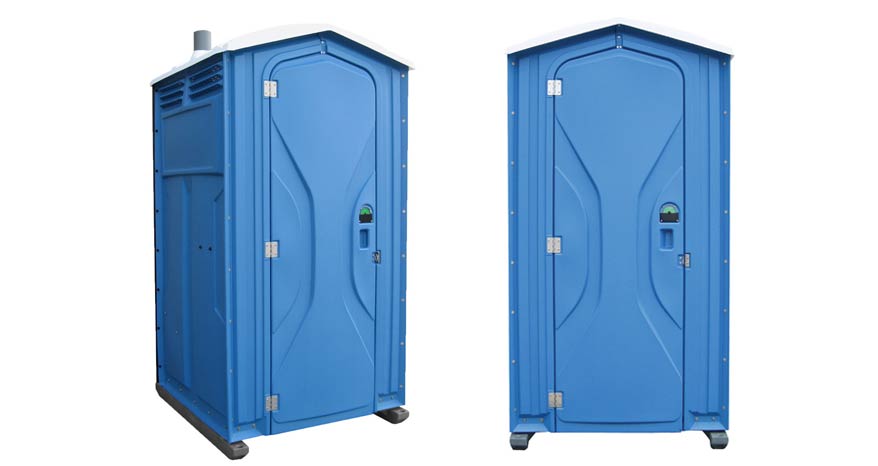
A construction site toilet should be planned around the active work zone, crew routines, and safe access, rather than placed wherever space happens to be open on the first day. Consider the average number of workers on site, the largest anticipated crew, shift patterns, subcontractor activity, and how long each project phase will last. A small residential repair project may need a different arrangement than a renovation, utility project, commercial build, or site with several trades working at once. Share these details during the quote request so the rental discussion reflects actual site use. The unit location should be convenient enough for the crew while remaining outside excavation zones, material staging areas, equipment travel paths, loading zones, and areas likely to change as construction advances. A firm, reasonably level surface is important for planning. Also identify a route that is clear of tight obstacles, low limbs, overhead lines, soft ground, and parked machinery. Site gates, road conditions, and the person who can provide entry instructions are useful details to provide. For occupied properties, think about separation between workers, residents, customers, and visitors. For projects near public sidewalks or shared parking, make sure the proposed location aligns with the property’s access needs and local project plan. If workers or site visitors need an accessible restroom option, ask about it during the quote process and describe the placement constraints. Specific option availability is confirmed with the quote. As the job moves forward, the original spot may no longer be ideal because of framing, paving, trenching, or changing site traffic. Review the restroom location as the project changes and communicate planned adjustments before they become urgent. Clear planning reduces avoidable conflicts with work operations and helps maintain a usable site layout.
Rental duration and servicing considerations should follow the project schedule, but construction schedules can change. When contacting Camden Porta Potty Rentals, provide the expected start date, estimated project length, workdays, crew count, and any known phases that will increase the number of people on site. For longer projects, discuss anticipated use and service needs rather than relying on a generic assumption. A quote can then address the information available for that location and rental period. If the project will pause, resume, or expand, communicate the revised plan as soon as practical so scheduling can be reviewed. Do not block the toilet approach with pallets, dumpsters, stored materials, temporary fencing, or equipment. The worksite contact should be able to direct placement and maintain a clear access route. This is particularly important after rain, when bare soil, gravel, or unfinished drives may be more difficult to use. Weather also affects crew movement, so consider whether the location remains practical during wet, hot, or cold conditions. Keep the unit away from unstable edges, active digging, and areas exposed to avoidable hazards. For a multi-contractor site, designate who is responsible for sharing access instructions and reporting changes to the site layout. Include the full Camden address where possible; if the project is on a new parcel or lacks straightforward navigation, provide gate directions or recognizable access information. Camden Porta Potty Rentals can be contacted at (870) 452-2100, with calls accepted 24/7 for telephone intake, or at info@camdenportapottyrentals.com by email. Ask for quote-based confirmation of scheduling and availability before building the restroom arrangement into your project timeline.